Table Of Content
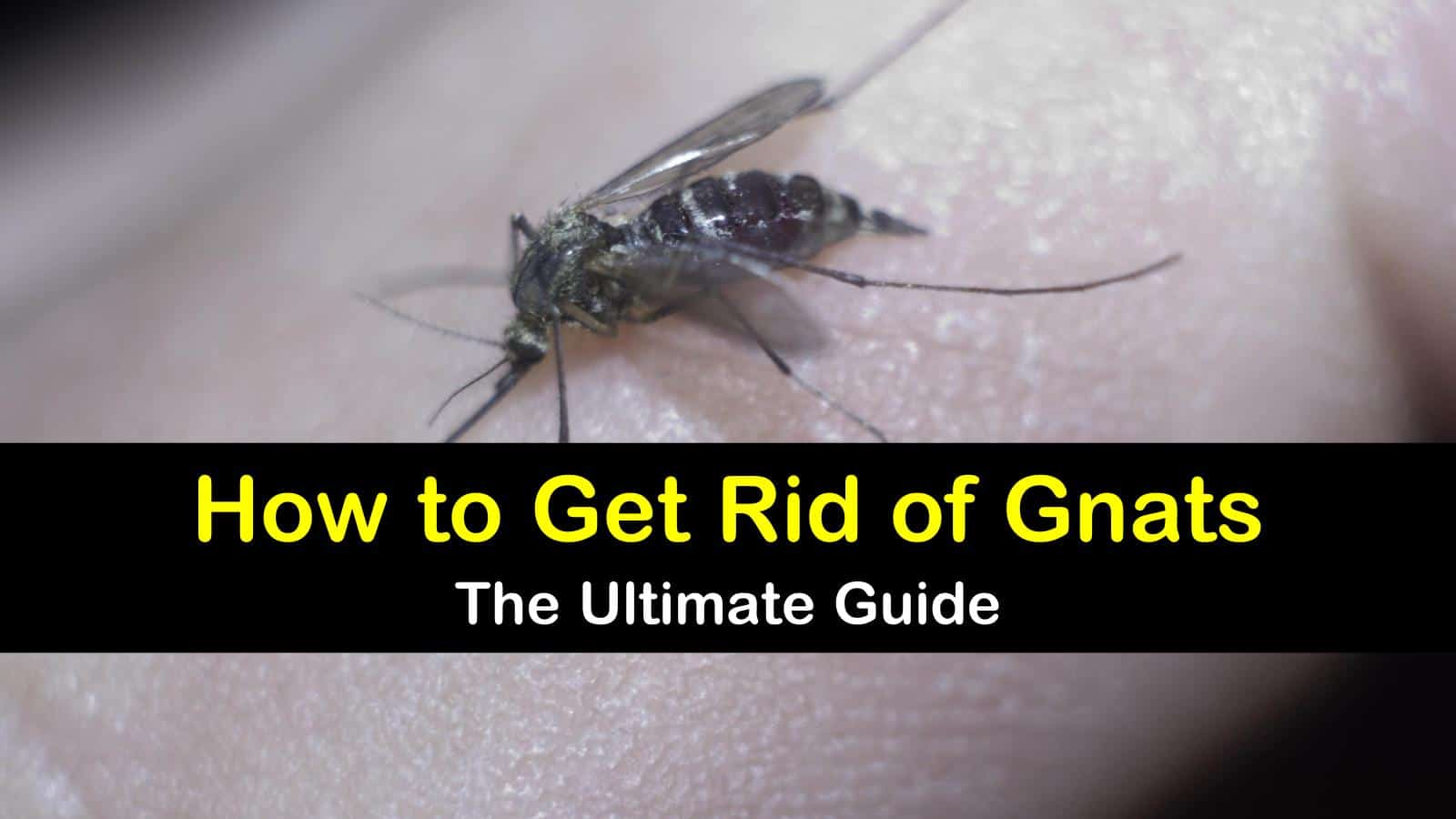
Fortunately, minor to moderate gnat infestations can often be exterminated with simple DIY methods and thorough cleaning. However, if you have a severe gnat infestation, it may take more than one of these methods to eradicate the pests. This is one of biggest the hotspots for gnats, so pay extra attention to your kitchen sink and drain. Clean it (along with a garbage disposal if you have one) on a consistent basis, keep the area as dry as possible, and use a drain stopper overnight.
When to Call Pest Control
Just get rid of it — whether it’s moldy fruit on the counter or food that has built up in your garbage disposal. Leftover food will attract gnats and create all kinds of unwanted smells in your kitchen. On the same note, throw out your garbage, and until you do, make sure it stays in a sealed container. The same goes for any compost bins you might have — don’t leave them open throughout the day.
Midges and Mosquitoes
Gnats have a short life cycle and will often disappear when the cold months start. You can also use red wine in place of water, sugar, and vinegar. A simple mixture of red wine and dish soap will also do the trick. Adult fungus gnats live between one to two weeks, completing their life cycle in about 18 to 30 days, states Orkin. When you hear the word "gnat," images of tiny bugs may buzz around your brain. While you might have a certain flying foe in mind, "gnat" refers to more than one species.
Method 5: Salt, baking soda, and vinegar
We already mentioned houseplants, above, in relation to the moisture that brings gnats to a house. The specific type that indoor plants can encourage are fungus gnats. Cider vinegar traps are an easy at-home management strategy. To make one, fill a shallow container with a small amount of apple cider vinegar, water, and liquid dish soap.
You can often tell which species you’re dealing with by where you find them and how they behave. Once indoors, gnats often infest trash cans, rotten fruit, and other moist places where decomposing organic matter exists. They can also be found near sinks, drains, and toilets, since they can reproduce in the grime inside pipes. Gnats thrive on the fungus of your plants, so it helps to let your plant babies dry out between waterings. Once the soil dries out, you'll notice the death of not only the fungus, but the gnat larvae and eggs too. If the gnats keep appearing, experts at Colonial Pest Control Inc., recommend applying an indoor-friendly pesticide as a soil drench to soak and kill the gnats and fungus.
Oil of lemon eucalyptus is a plant-based gnat repellent that is safe for people over the age of 3 to use. It is about as effective as DEET, but it doesn't last as long. Don't use this product around your eyes, because it can irritate them. DEET (N,N-diethyl-meta-toluamide) may help repel gnats for 2-8 hours. There are a number of products with different concentrations of DEET, but anything over 30% could irritate your skin and eyes. If you have gnats in your home, or want to avoid them outside, there are some things to do to keep them away.
Fruit flies: Tips for getting rid of fruit flies in your home and kitchen - Des Moines Register
Fruit flies: Tips for getting rid of fruit flies in your home and kitchen.
Posted: Mon, 07 Oct 2019 07:00:00 GMT [source]
Fruit flies are brown bugs mostly found around rotting or overripe fruits and vegetables. You will most probably find them flying around your fruit bowl, the trash bin, and open alcohol bottles. They thrive in the summer, but sometimes, you may also see them during the cold months in your house. However, a rule of thumb the insects often follow is access to food, moisture and protection, states Orkin's website. This usually comes by way of decaying organic material, such as trash or soil. No, you don’t need to kill your plants to keep gnats out of your home.

To protect yourself from gnats, cover your skin with clothes and use an insect repellent containing DEET. With warm weather comes a noticeable increase in gnat activity, both inside and outside the home. Fortunately, learning how to get rid of gnats is a simple task that requires just a few supplies. Use this guide to learn how to get rid of gnats in your house, in your garden and in your house plants.

As such, the DocaScreen Fiberglass Screen Roll can be used for replacing the screen in windows, doors, or patios. It claims to strike the right balance between effective insect protection, sun screening, and visibility. I like the versatility of these Produce Saver Refrigerator Organizer Bins because of their size and their removable drain tray that keeps produce from sitting in any juices. As you can imagine, growing food on a larger scale can lead to larger problems that often require insecticides.
Another option that can work for all types of gnats is sticky paper or cards. These cards are yellow—a color that gnats are attracted to— and have adhesive on their faces. As soon as the gnats land on them, they get stuck and dehydrate. There are small cards that can be placed in plant pots, hanging ribbons and other versions available.
Read on to learn about several additional methods that will help you get rid of gnats indoors. Along with vinegar, fruit flies like the smell of fruity beer and wine. Leave out an almost-empty open bottle of stale beer or old wine — the skinny neck will keep the flies trapped. Invest in an insecticidal spray that's safe for indoor use, like the Zevo Fly, Gnat & Fruit Fly Flying Insect Spray (which also happens to be a GH Seal holder). It uses geraniol and lemongrass oil, which are bio-insecticides that don't need to be registered with the EPA, to kill gnats on contact.
This may damage your houseplant, and when they emerge as adults, they will become even more of a nuisance. Let the soil get as dry as you can without your plants wilting. Repot your plants when the soil starts to hold too much moisture or if the soil becomes full of decaying matter.
A tightly sealed lid will also help, but cannot be relied on to keep gnats out of your trash. After the inside of the can has been thoroughly cleaned, the next step is to spray the cleaned surface with a 50/50 mix of water and white vinegar solution. Let sit for about 15 minutes, then wipe off with a clean cloth. An example of this might be farmers installing swallow nests on fence posts.


No comments:
Post a Comment